The Comfort and Self-confidence That Come With Assisted Living
Business Name: Beehive Homes of Sandy
Address: 9532 S 700 E, Sandy, UT 84070
Phone: (801) 975-5244
Beehive Homes of Sandy
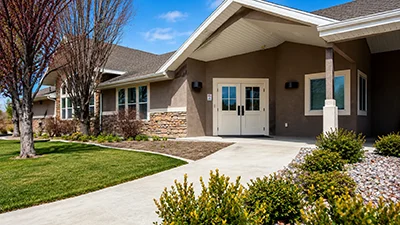
BeeHive Homes of Sandy provides personalized assisted living and memory care in a comfortable residential setting. Our compassionate caregivers deliver attentive daily support focused on dignity, independence, comfort, and quality of life.
9532 S 700 E, Sandy, UT 84070
Business Hours
There is a certain sort of alleviation that resolves over a household when the everyday pressure of caregiving lastly eases. It is not remarkable. It does not show up with a fanfare. More often, it comes quietly, in the kind of a more secure bathroom, a much better morning meal, a medicine routine that no more lives entirely in someone's head, and a parent who appears a little lighter because they are not spending every hour trying to do whatever alone.
That is the real assurance of assisted living. Not just aid, but steadiness. Not simply guidance, but self-respect. For several older adults, assisted living offers the right equilibrium in between independence and assistance, especially when living alone has actually begun to feel extra complex than comfortable. Family members often start the look for senior care after a fall, a medical facility stay, or a collection of small cautions that are easy to minimize until they are no longer small. Meals are avoided. Expenses accumulate. Driving becomes stressful. Laundry waits as well long. A partner is tired. Somebody states, nearly apologetically, that they are "great," when every person in the space can see they are not.
The decision is hardly ever basic, and it ought to not be rushed. But once individuals begin to recognize what assisted living really gives, lots of understand that it is not a surrender of independence. It is frequently the first sensible step toward shielding it.
What assisted living really changes
The ideal method to consider assisted living is not as an area where someone is "put," but as a setting made to get rid of daily rubbing. That word, friction, matters. The majority of older grownups do not need round-the-clock nursing care, but they may need assist with the parts of life that have actually ended up being tiring, dangerous, or lonely. Dressing, bathing, preparing dishes, bearing in mind consultations, obtaining from one location to one more, these are the information that can quietly drain energy.
In a well-run assisted living community, support is woven right into the day without taking control of the day. A resident can still select when to wake up, whether to attend an exercise course, what to consume, and just how to invest the mid-day. What modifications is that someone exists when they need assistance. That presence alone can decrease a large amount of anxiety.
Families frequently see the distinction swiftly. A parent that had actually been slimming down at home since food preparation felt way too much currently has regular meals. A spouse who was lifting and steadying a partner on a daily basis no more has to take the chance of injury doing job implied for two people. Your house that as soon as felt convenient however perilous is no more the center of every concern.
That is the psychological change people are really searching for when they ask about assisted living near me. They are seeking satisfaction as high as a building.
Comfort is developed from small things
Comfort in senior living is not an abstract sensation. It is useful. It stays in details that are simple to forget until they are gone. A warm meal at the correct time of day. A tidy area. A hallway without clutter. Personnel that bear in mind a resident prefers tea over coffee. A shower chair that makes showering secure again. Enough assistance to make the early morning workable, not so much that the day really feels managed by somebody else.
These details matter more than lots of households expect. I have seen older grownups become a lot more ready to take part in life as soon as standard stress factors are removed. A person that was eating alone in silence in the house might begin joining others for lunch. Someone that had quit going outside since strolling to the mailbox really felt unpredictable may start taking brief walks in the yard. These are moderate changes theoretically. In reality, they can recover a feeling of rhythm and confidence.
There is also comfort in uniformity. Older grownups grow when they know what to anticipate. Normal nourishments, medication assistance, and familiar team regimens minimize the mental burden of remembering every task. That matters specifically for residents dealing with early amnesia, arthritis, restricted vision, or tiredness from chronic illness. The day comes to be less regarding coping and even more concerning living.
Confidence typically returns before family members expect it
A common mistaken belief is that moving into assisted living will make an older person feel smaller. Often the contrary occurs. When the stress of taking care of whatever alone is raised, self-confidence can return in shocking ways.
I have actually understood citizens that were reluctant initially, then progressively came to be a lot more active than they had actually been at home. One lady I consulted with after her action claimed she had not understood how much energy she invested worrying about whether she would fall in the kitchen area. When that fear was resolved, she started going to activities again and strolling extra. She was not instantly more youthful or much healthier, however she really felt less trapped by caution.
This is one of the most important advantages of assisted living. Safety does not need to come with the expenditure of freedom. In the appropriate environment, both can support each other. A resident can choose without carrying every burden. That is a significant distinction, especially for people who have actually invested years trying to stay self-sufficient in spite of expanding limitations.
The household dynamic modifications too. Adult children typically move from being continuous problem-solvers to being children, daughters, and site visitors once more. That shift can be psychological, due to the fact that sense of guilt does not go away simply due to the fact that a great choice has actually been made. Still, there is a distinctive relief in no more having to check every tablet container, every meal, and every unexplained time out in a parent's voice over the phone.
The function of senior care in daily life
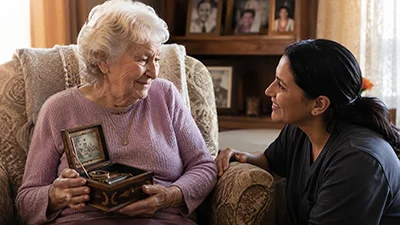
Senior care is a wide term, which breadth can be confusing. Some individuals envision just clinical treatment when they hear it. In method, great senior care consists of sensible support, social connection, and a watchful eye for adjustments that might otherwise go unnoticed. Assisted living sits in that middle ground where assistance is offered, but the resident still routes the shape of their day.
That balance issues because not every older grown-up needs the very same level of assistance. One resident might only require help with bathing and drug pointers. One more may require even more structure around meals, wheelchair, and transportation. Somebody else may be regreting a spouse and just require a safer, much less isolating place to live. Assisted living works best when it is versatile sufficient to satisfy those differences without making everyone fit the same mold.
It is additionally worth saying simply that senior care is not just about physical needs. Isolation is a genuine wellness issue, also if it does not constantly appear nicely on a chart. When an older person goes days with little discussion, the impacts are visible. Hunger declines. Power drops. Time blurs. A neighborhood setting can disrupt that pattern. A pleasant welcoming in the corridor, a common activity, or even the routine audio of individuals nearby can boost how a person feels day to day.
When respite care becomes part of the picture
Many households very first experience assisted living through respite care, even if they do not intend to remain. A short-lived keep can take place after surgical treatment, after a caregiver needs a break, or when relative require time to think through long-term choices. Respite care can be especially important because it allows everybody see the atmosphere in the real world as opposed to picturing it from a brochure or website.
That test duration often clears away a large amount of unpredictability. Some older grownups find they sleep better when they are not bothering with staircases, animals, or nighttime emergencies. Family members uncover that their loved one is risk-free, social, and much better sustained than they had actually been at home. For others, respite care verifies that a shorter keep was the ideal fit, or that more extensive assistance is still needed. Either way, the experience generates helpful information.
Respite care additionally matters due to the fact that caretakers need alleviation prior to they are totally used down. Family members caregiving can be loving and significant, but it is still function. Individuals miss out on consultations, shed rest, and silently delay their own health worries while attempting to do every little thing for somebody else. A short stay in assisted living can offer every person space to breathe and make a more thoughtful plan.
Choosing the appropriate neighborhood takes more than a quick tour
When households begin contrasting assisted living alternatives, the very first impulse is usually to look for the closest practical area. That makes sense, specifically when a person is looking for senior care near me and trying to lower traveling time. Proximity matters. So does access to acquainted medical professionals, nearby household, and the community a person has known for years.
But area alone does not tell the whole tale. A good tour must disclose how the neighborhood feels at common moments, not simply throughout the sleek component of the visit. Are homeowners involved or resting calmly in rows? Does staff interact naturally with individuals, or does every person appear hurried? Is the dining-room positive and useful, or does it really feel institutional? Do hallways smell tidy without sensation clean and sterile? These details are not insignificant. They tell you how every day life is in fact managed.

A family must likewise ask exactly how care strategies are readjusted as needs alter. Some citizens continue to be stable for several years with only small support. Others require even more aid with time. The inquiry is not whether adjustment will occur, but whether the neighborhood is geared up to respond thoughtfully when it does. That flexibility frequently separates a suitable area from a genuinely strong one.
Financial quality issues also. Assisted living can be a significant financial investment, and family members need to understand what is consisted of, what expenses added, and exactly how those charges might transform with added care. It is much better to ask the unpleasant questions early than to be stunned later.
Signs that assisted living might be the ideal move
People frequently wait also long due to the fact that they really hope things will improve their very own. Often they do. Often they do not. There are a few patterns that tend to signal it might be time to look seriously at assisted living, especially if a number of are occurring at once.
These indications can include missed medications, duplicated drops, weight-loss, poor hygiene, unopened mail, aggravating confusion, an expanding worry of being alone, or a caregiver that is plainly exhausted. One problem by itself might not be enough to force a move. A cluster of issues normally is.
The hardest instances are the ones where the older grown-up firmly insists everything is fine while member of the family are seeing visible decrease. That stress prevails. No person suches as feeling pressed, particularly when the subject is self-reliance. The most efficient conversations often tend to focus less on what is being shed and much more on what is coming to be easier, more secure, and much more sustainable. The goal is not to win a disagreement. It is to find a living circumstance that enables the individual to remain themselves without taking unneeded risks.
A functional way to consider the transition
Moving into assisted living is not just a logistical event. It is a mental one. People are leaving familiar spaces, routines, and sometimes the home where they elevated kids or lived for years. That takes time to process. Also when the step is clearly the appropriate choice, sorrow can still turn up alongside relief.
The smoother changes normally make room for both. They keep familiar furniture, favorite coverings, household photos, and individual rituals intact. They provide the resident some control over what comes next. They consist of truthful conversations concerning what day-to-day live will certainly look like, not just joyful confidence. That sincerity helps.
It also assists to keep in mind that change is hardly ever prompt. The initial week might feel disorienting. The first month might entail reservations. Then a pattern starts to develop. A resident discovers the dining timetable. A favored staff member emerges. The apartment or condo starts to really feel stayed in. Telephone calls from household become less regarding dilemma and even more concerning conversation. That is usually when people understand the relocation was not simply appropriate, it was beneficial.
What families often state after the move
There is a minute lots of families explain after an effective change. It comes when they observe that their loved one seems calmer, or more rested, or just less burdened. Sometimes they say it before they feel completely prepared to admit it. They want they had actually made the move sooner.
That response is not universal, and it should not be romanticized. Some citizens adjust slowly, and some need more assistance than they anticipated. A few miss their old regimens deeply. Straightforward family members do not pretend those feelings are not real. Still, even with the harsh sides, assisted living frequently brings measurable advantages: less emergency situation calls, better nutrition, much less seclusion, and a more stable daily life.
For grown-up youngsters, the benefit can be a lot more refined yet just as crucial. They stop residing in a state of continuous alertness. They can visit without transforming every visit into a safety assessment. They can enjoy a dish together as opposed to examining the fridge. They can be present in a partnership that has actually been crowded by logistics for also long.
What to pay attention to on a visit
A couple of information often tend to disclose a great deal concerning whether a community is a great fit.
- Observe exactly how personnel talk with locals, especially in unscripted moments.
- Look at whether citizens seem clean, comfy, and suitably dressed.
- Ask just how the neighborhood manages drops, medicine support, and after-hours needs.
- Notice whether the setting really feels hectic in a healthy and balanced means or simply noisy and hectic.
- Pay attention to just how you feel when you leave. That reaction is frequently informative.
The real value of assisted living
The greatest assisted living areas do not promise to remove aging. They do something extra grounded and, in numerous methods, more useful. They aid individuals senior care proceed living with structure, safety, and dignity when home alone has ended up being tough to suffer. They develop area for autonomy by taking control of the jobs that have ended up being burdensome.
That is why assisted living can really feel so transformative. It is not only about obtaining care. It has to do with reclaiming confidence in day-to-day live. It is about trading uncertainty for a dependable routine. It is about changing lonesome initiative with sustained self-reliance. For lots of family members, that is the difference between just getting through the day and really really feeling worked out again.
When the search begins, whether for assisted living near me or a broader comparison of senior living alternatives, the goal is seldom simply to discover a location. It is to find a setup where someone you like can feel secure without really feeling lessened. When that takes place, the convenience is genuine, therefore is the confidence.
Beehive Homes of Sandy provides assisted living care
Beehive Homes of Sandy provides memory care services
Beehive Homes of Sandy provides respite care services
Beehive Homes of Sandy supports assistance with bathing and grooming
Beehive Homes of Sandy offers private bedrooms with private bathrooms
Beehive Homes of Sandy provides medication monitoring and documentation
Beehive Homes of Sandy serves dietitian-approved meals
Beehive Homes of Sandy provides housekeeping services
Beehive Homes of Sandy provides laundry services
Beehive Homes of Sandy offers community dining and social engagement activities
Beehive Homes of Sandy features life enrichment activities
Beehive Homes of Sandy supports personal care assistance during meals and daily routines
Beehive Homes of Sandy promotes frequent physical and mental exercise opportunities
Beehive Homes of Sandy provides a home-like residential environment
Beehive Homes of Sandy creates customized care plans as residents’ needs change
Beehive Homes of Sandy assesses individual resident care needs
Beehive Homes of Sandy accepts private pay and long-term care insurance
Beehive Homes of Sandy assists qualified veterans with Aid and Attendance benefits
Beehive Homes of Sandy encourages meaningful resident-to-staff relationships
Beehive Homes of Sandy delivers compassionate, attentive senior care focused on dignity and comfort
Beehive Homes of Sandy has a phone number of (801) 975-5244
Beehive Homes of Sandy has an address of 9532 S 700 E, Sandy, UT 84070
Beehive Homes of Sandy has a website https://beehivehomes.com/locations/sandy/
Beehive Homes of Sandy has Google Maps listing https://maps.app.goo.gl/gxoX9vT5PFH9mJTP9
Beehive Homes of Sandy won Top Assisted Living Homes 2025
Beehive Homes of Sandy earned Best Customer Service Award 2024
People Also Ask about Beehive Homes of Sandy
What does assisted living cost at BeeHive Homes of Sandy?
BeeHive Homes of Sandy offers all-inclusive assisted living pricing. That means one straightforward monthly rate covering personal care, home-cooked meals, housekeeping, laundry, and daily support, with no hidden costs or surprise fees. Because we offer seasonal pricing and current availability can change, we invite families to call for up-to-date rates and any current offers. Before move-in, our team completes a personalized assessment of health, mobility, medication, and activities-of-daily-living needs, so we can confirm the right care plan and share clear pricing for your family.
Can residents remain at BeeHive Homes as their care needs change?
Yes. In almost all cases, residents can remain at BeeHive Homes of Sandy as their care needs change, aging in place in a familiar, homelike environment. Because we coordinate with third-party home health and hospice providers, residents can receive added care right in the home rather than relocating. It is very rare for a resident to need to move, and that typically happens only when someone requires continuous skilled nursing or hospital-level care beyond what an assisted living or memory care home can safely provide.
Is a nurse available at BeeHive Homes of Sandy?
Yes. BeeHive Homes of Sandy has a nurse who provides day-to-day oversight of residents and works directly with each resident's own physicians and healthcare providers to continue the best possible care. Residents may keep seeing their preferred doctors, and when ordered by a medical provider, home health, therapy, or hospice services can often be delivered directly in the home. Caregiver support is available 24 hours a day.
What are the visiting hours at BeeHive Homes of Sandy?
Visit anytime. At BeeHive Homes of Sandy, we would rather family come too often than not often enough, because strong family relationships are an important part of every resident's well-being. We simply ask that visits be respectful of the other residents who live here, along with each resident's meals, rest, and care schedule. If you would like to come very early or very late, just let us know in advance and we will make it work.
Are rooms available for couples at BeeHive Homes of Sandy?
BeeHive Homes of Sandy may have room options for couples who wish to remain together while receiving senior care. Availability depends on current openings, room size, and the care needs of both individuals. Please contact our team to discuss available accommodations and find the best fit for your family.
What services are provided at BeeHive Homes of Sandy?
BeeHive Homes of Sandy provides personalized assistance with bathing, dressing, grooming, mobility, medication management, meals, housekeeping, laundry, and other activities of daily living. Residents also enjoy private rooms, home-cooked meals, engaging senior activities, and caregiver support available 24 hours a day, all in a smaller, residential-style setting that feels like home.
Does BeeHive Homes of Sandy offer memory care and respite care?
Yes. BeeHive Homes of Sandy offers both memory care and assisted living. Our memory care supports residents living with Alzheimer's disease, dementia, or other cognitive changes. Short-term respite care is also available for recovery periods, caregiver relief, or families who want to experience BeeHive Homes before considering a long-term move. Availability and suitability are determined through an individual assessment.
How can I schedule a tour of BeeHive Homes of Sandy?
Call (801) 975-5244 to schedule a tour of BeeHive Homes of Sandy anytime. A personal visit is often the best way to experience our calm, homelike atmosphere, meet our caregivers, see the private rooms and shared spaces, and ask questions about assisted living, memory care, or respite care in Sandy, Utah. We would love to help you decide whether BeeHive Homes is the right next step for someone you love.
Where is Beehive Homes of Sandy located?
Beehive Homes of Sandy is conveniently located at 9532 S 700 E, Sandy, UT 84070. You can easily find directions on Google Maps or call at (801) 975-5244 Monday through Sunday Open 24 hours
How can I contact Beehive Homes of Sandy?
You can contact Beehive Homes of Sandy by phone at: (801) 975-5244, visit their website at https://beehivehomes.com/locations/sandy/
The Sandy Museum offers an enjoyable local history experience for families supporting loved ones through Assisted living, memory care, senior care, elderly care, and respite care..